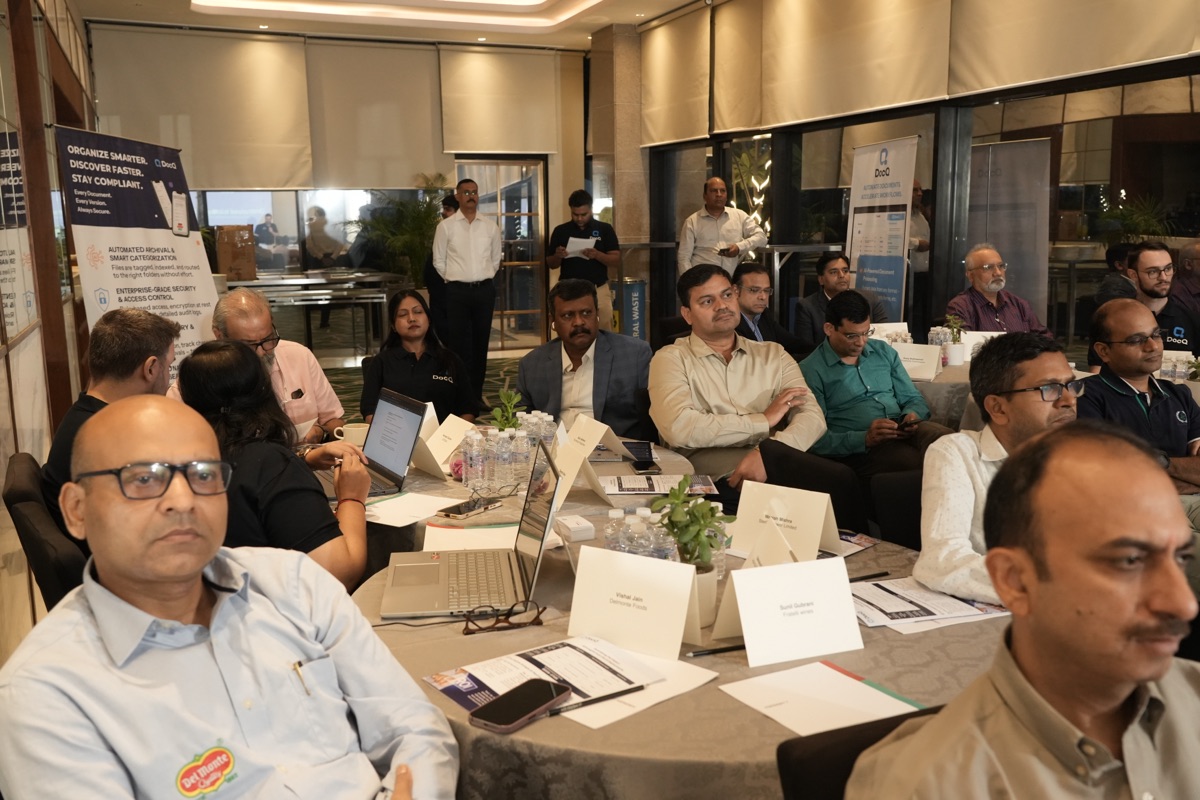
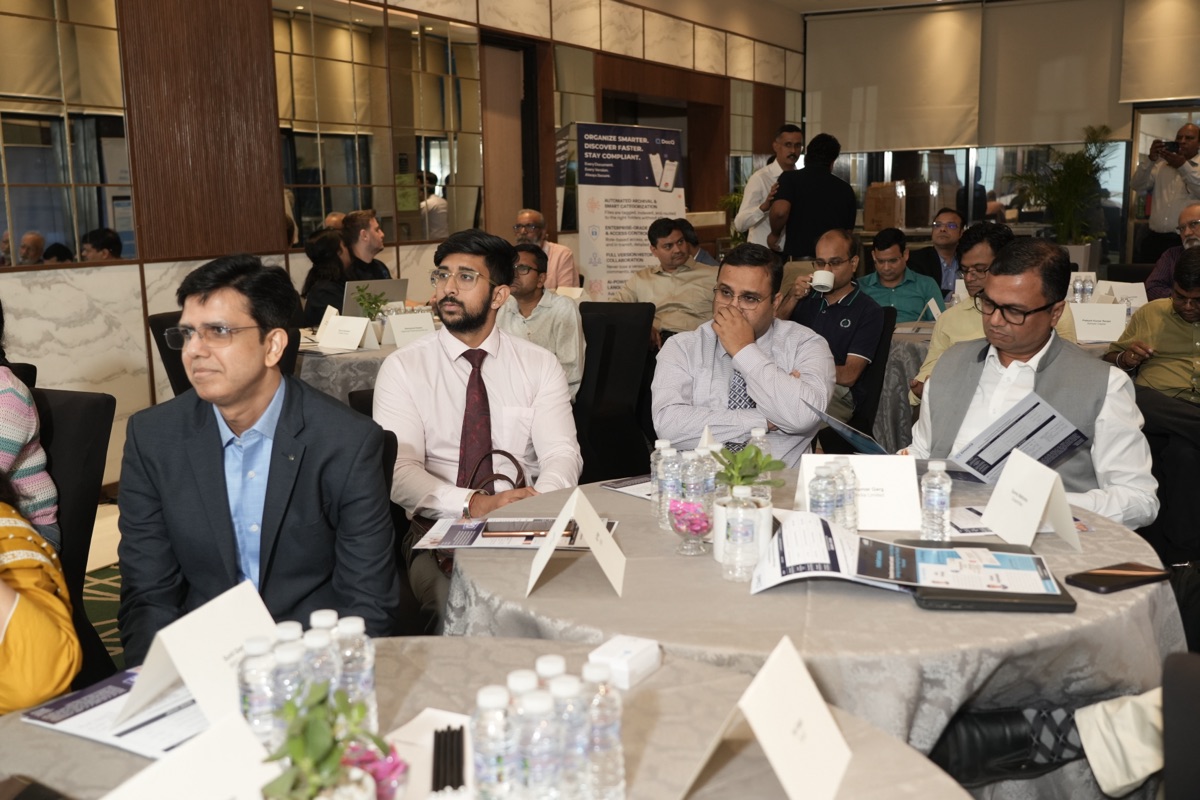
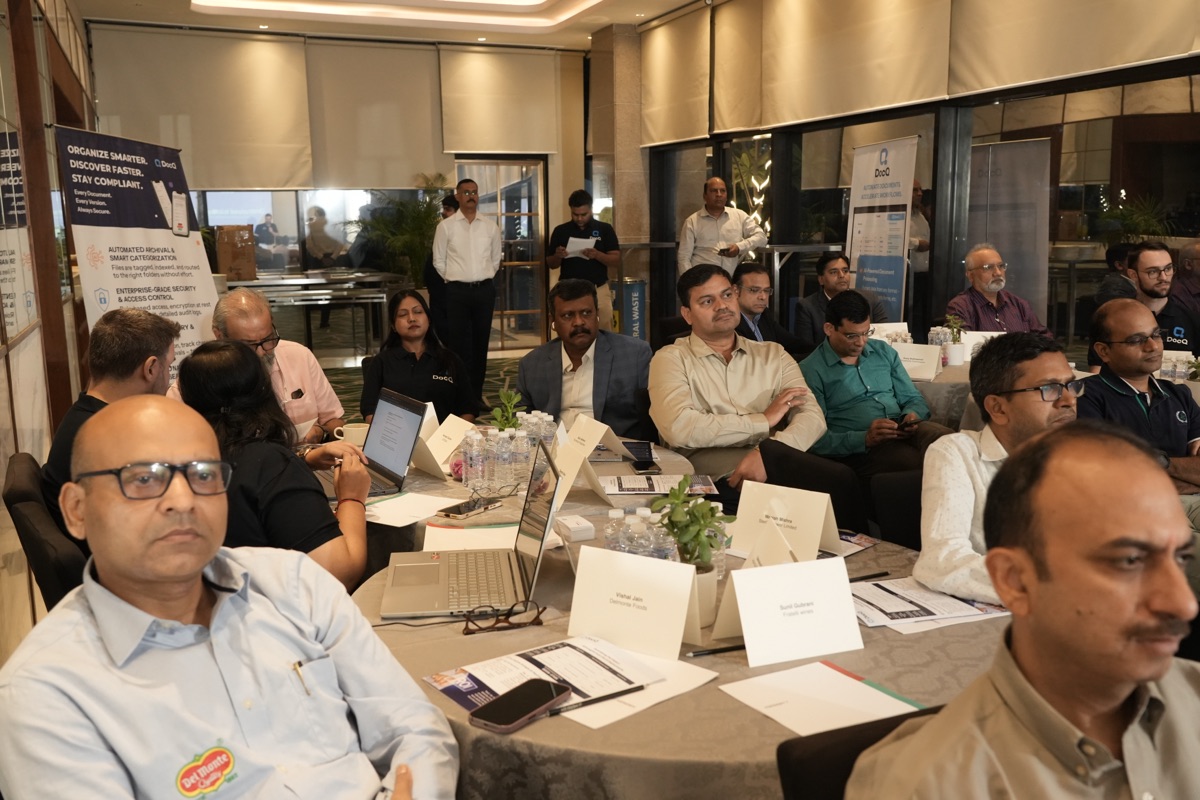
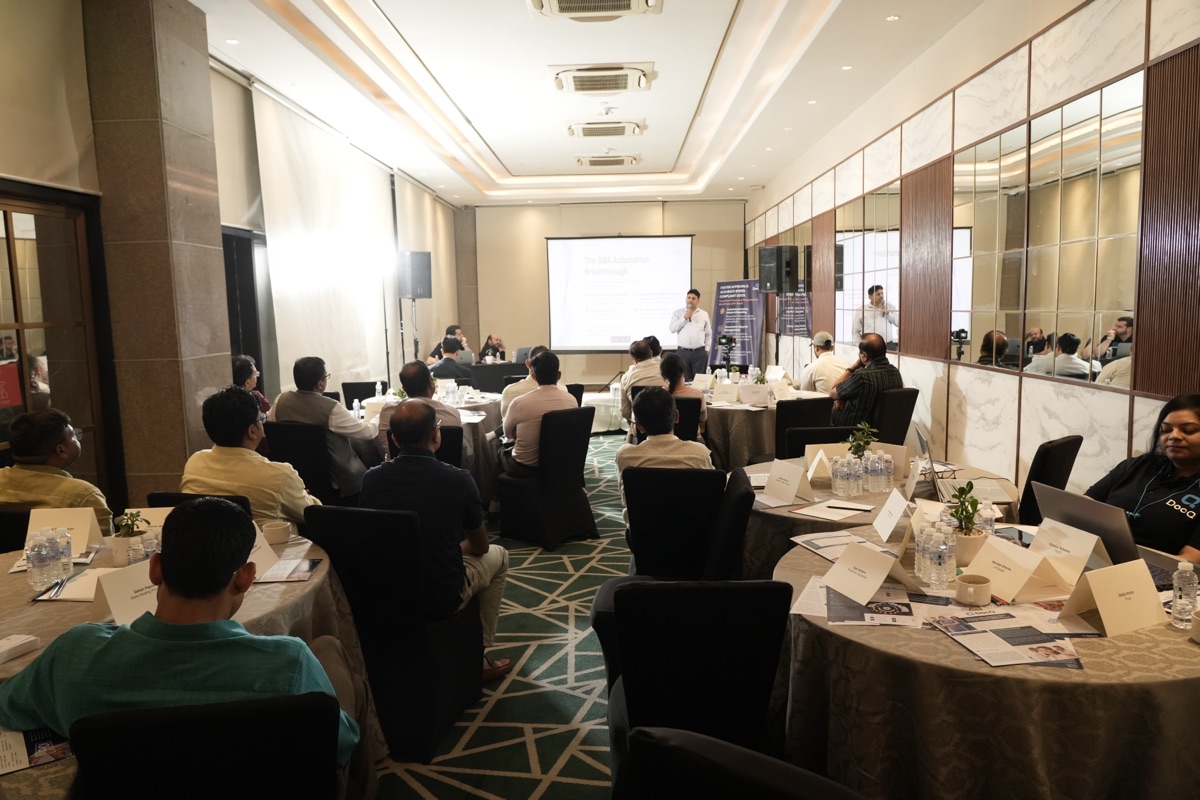
At the executive roundtable in Delhi NCR, the Chaos to Clarity: Smart Insights from Unstructured Data table turned into one of the most energized conversations of the evening. What was planned as a timed discussion became an extended, animated exchange — and for good reason.
Every leader at the table had felt the cost of data chaos firsthand. From handwritten notes to brand-specific dashboards, everyone saw AI as the way forward. The question wasn't whether to invest in document intelligence — it was how to get there without another 18-month IT project.
The Core Problem
The table's consensus crystallized early: structured data is no longer enough. The valuable information that drives decisions — the invoices, claims, contracts, compliance records, and operational reports that organizations depend on — lives in unstructured formats. PDFs, scans, handwritten forms, emails, photographs. Different formats, different languages, different levels of quality.
And in most organizations, the only way to extract value from this data is to have someone read it, interpret it, and type it into a system. Manually. Every time.
The insight that resonated most: insight needs to begin at the point of ingestion. Waiting until data reaches a warehouse or dashboard is too late. By then, the manual bottleneck has already consumed the time and introduced the errors that automation is supposed to eliminate.
What Each Leader Brought to the Table
The power of the roundtable format is that every seat represents a different industry, a different scale, and a different version of the same fundamental challenge.
Farman Khalid (Emaar India) outlined the challenge of managing huge volumes of legacy and current HR records. He expressed strong interest in digitizing these with DocQ, pairing AI-powered search with barcode tagging and integration into secure physical storage. The scale of historical records alone — years of accumulated paper across multiple properties — makes manual processing untenable.
Mohan Shah (ClaimPro Assist) detailed the reality of insurance claims processing: a mix of FIRs, insurance forms, handwritten claims data, and photographs that his team handles daily. The pain of compiling tailored insurer packs manually — each insurer wanting different formats and different documentation — was a central theme. AI OCR and dynamic collation were key areas of interest.
Rahul Puri (Devyani International) shared the struggle of finding relevant data across multi-brand operations like Pizza Hut and KFC. When you're operating multiple global brands across hundreds of locations, the data exists — but finding the right document, for the right brand, at the right time is a constant friction. He showed interest in using AI for full-text brand-level search, plus chatbot-driven executive queries — all without needing custom dashboards.
Sandeep Jamdagni (Central Park / BAXY) talked about the drain on IT resources just to extract data for reporting. His vision was direct and clear: ingest documents once and let leadership query them directly. No PowerBI build-outs, no SQL wrangling. Just ask the system a question and get an answer grounded in the actual documents.
Additional voices added important dimensions to the discussion. Balaji (AICTE) flagged the challenge of categorizing and storing multilingual and handwritten documents — a common reality in public sector and education contexts where documents arrive in multiple scripts and formats. Pradeep Behera (S&P Global) pointed to the need for real-time flagging of security and compliance risks across document workflows — an increasingly critical requirement as regulatory scrutiny intensifies.
Where the Conversation Converged
Despite the diversity of industries and use cases, the table arrived at a shared set of conclusions:
AI-powered search, classification, and question-answering are fast becoming baseline expectations. Leaders aren't asking whether AI can read documents — they're asking how quickly it can be deployed and how accurately it performs on their specific document types.
The ingestion point is everything. If documents aren't processed intelligently when they first enter the organization, every downstream system inherits the same gaps. OCR, classification, extraction, and routing need to happen at intake — not as an afterthought.
No-code configuration matters as much as AI capability. Several leaders explicitly noted that their teams can't wait for IT to build custom solutions. The ability to configure document processing workflows without developers — defining fields, setting rules, mapping outputs — is what makes the difference between a pilot and a production deployment.
From Data Chaos to Document Intelligence
The "Chaos to Clarity" theme resonated because it describes a journey that every organization at the table is on — at different stages, but heading in the same direction.
DocQ's approach to this challenge centers on making automation feel natural rather than technical:
- AI reads, understands, and organizes documents — scans, emails, PDFs, handwritten forms, photographs
- Workflows handle approvals, reconciliations, and verifications without writing code
- Integration bridges the gap even when existing systems are old or disconnected
- Full audit trails, smart access control, and compliance readiness are built in from day one
- It's made for business users — so teams don't have to wait on IT to take the first step
The consensus was clear: the organizations that figure out document intelligence first will have a compounding advantage over those still manually processing the information that drives their decisions.
Let's Continue the Conversation
If your organization is navigating similar challenges with unstructured data — whether it's insurance claims, property records, multi-brand operations, or compliance documents — we'd love to explore how DocQ could turn your challenges into quick wins.
Get in touch to schedule a focused conversation around your priorities.
This roundtable recap covers the "Chaos to Clarity: Smart Insights from Unstructured Data" table at the Next-Gen Operations executive roundtable, held May 15, 2025 at Le Méridien, Sector 26, Gurgaon. Organized by DocQ in cooperation with FnShift Solutions.